
B-cell acute lymphoblastic leukemia (B-ALL) is a fast-growing cancer of the blood and bone marrow. When it returns after treatment or resists chemotherapy, CAR T-cell therapy may be an option. SinoUnited Health in Shanghai treats relapsed and refractory B-ALL with CD19-directed CAR T-cell therapy.
Plain, general information about the disease — the shared starting point before we get to treatment.
B-cell acute lymphoblastic leukemia (B-ALL) is an aggressive cancer of the B-lymphocytes — a type of white blood cell — that develops in the bone marrow and moves quickly into the blood. Because it grows fast, it is usually treated soon after diagnosis, most often with intensive chemotherapy, and many patients go into remission.
When B-ALL comes back after treatment, it is described as relapsed; when it does not respond to treatment, or stops responding, it is refractory. Relapsed or refractory B-ALL is harder to treat with further chemotherapy, and this is the situation in which CAR T-cell therapy is considered.
Not a first treatment — a later option, targeted at a protein found on B-cells.
CAR T-cell therapy reprograms your own T-cells to recognize and attack cancer cells. For B-ALL, the therapies used are directed at CD19, a protein on the surface of B-cells. B-ALL was one of the first cancers CAR T-cell therapy was ever used for.
It is generally considered when B-ALL has returned or has resisted chemotherapy — for relapsed or refractory disease — rather than as a first treatment.
Both are CD19-directed CAR-T treatments administered at SinoUnited Health. Both hold conditional NMPA approval — approval was granted on the evidence available so far, with further data still to be provided. Which is right for you is decided by the clinical team.
A CD19-directed CAR T-cell therapy for adults with relapsed or refractory B-cell acute lymphoblastic leukemia.
No upper age limit within SinoUnited's intake.
About CNCT19 for B-ALLA CD19-directed CAR T-cell therapy with conditional NMPA approval for CD19-positive relapsed or refractory B-ALL.
At SinoUnited Health, it is available to patients aged 16–21.
About Puzo-cel for B-ALLA condition may be treated by more than one therapy, and a therapy may treat more than one condition — each therapy page links back to the conditions it's used for.
Eligibility is assessed from your records — which means you can find out where you stand before traveling.
The following information is for reference only. Final treatment decisions should be made by a qualified physician based on each patient's individual condition.
Not suitable if: active uncontrolled infection · severe organ dysfunction · hypersensitivity to product components or conditioning chemotherapy · active CNS disease (unless stable and tolerated per the therapy's label) · pregnancy or breastfeeding.
This is a general guide only. Whether CAR-T is right for you is a decision made by a qualified physician after reviewing your individual case.
Treatment happens across two trips to Shanghai, with the manufacturing weeks spent at home.
A first visit of around a week to collect your cells by apheresis, on-site.
About 1 week in ShanghaiYour CAR-T therapy is made while you return home.
3 to 4 weeksYou return for the infusion and monitored recovery under the clinical team.
About 3 weeks in ShanghaiAbout two months from first assessment to the end of treatment, with the manufacturing period spent at home.
See the full step-by-step journey →Kept deliberately separate: what is true of this class of therapy in general, and what SinoUnited provides.
CAR T-cell therapy has side effects that are anticipated and closely monitored — most commonly cytokine release syndrome (CRS), and sometimes neurological effects (ICANS). Most are manageable when caught early, which is why treatment is given as a supervised inpatient stay.
SinoUnited delivers infusion and recovery with on-site intensive care available if escalation is ever needed.
Tocilizumab, the standard treatment for severe cytokine release syndrome, is available on site.
5on-site ICUsRelapsed and refractory B-ALL is treated at SinoUnited's CAR T-Cell Therapy Center by Dr. Lily Zhou, M.D., Ph.D., Chief of Hematology, with a postdoctoral fellowship at UCSF, 25 publications indexed in PubMed, and peer-reviewed research in CAR T-cell therapy.
Since 2024 the CAR T-Cell Therapy Center has treated more than 35 patients from twelve countries.
SinoUnited is also a member unit of the Ruijin Consortium of Blood Disease, led by Ruijin Hospital, Shanghai Jiao Tong University — one of China's leading hematology collaborations.
Dr. Zhou's publications are cited as evidence of her standing as a published physician. They are not, and must not be read as, a response rate, success rate, or an indication of outcomes across patients.
Read Dr. Zhou's profile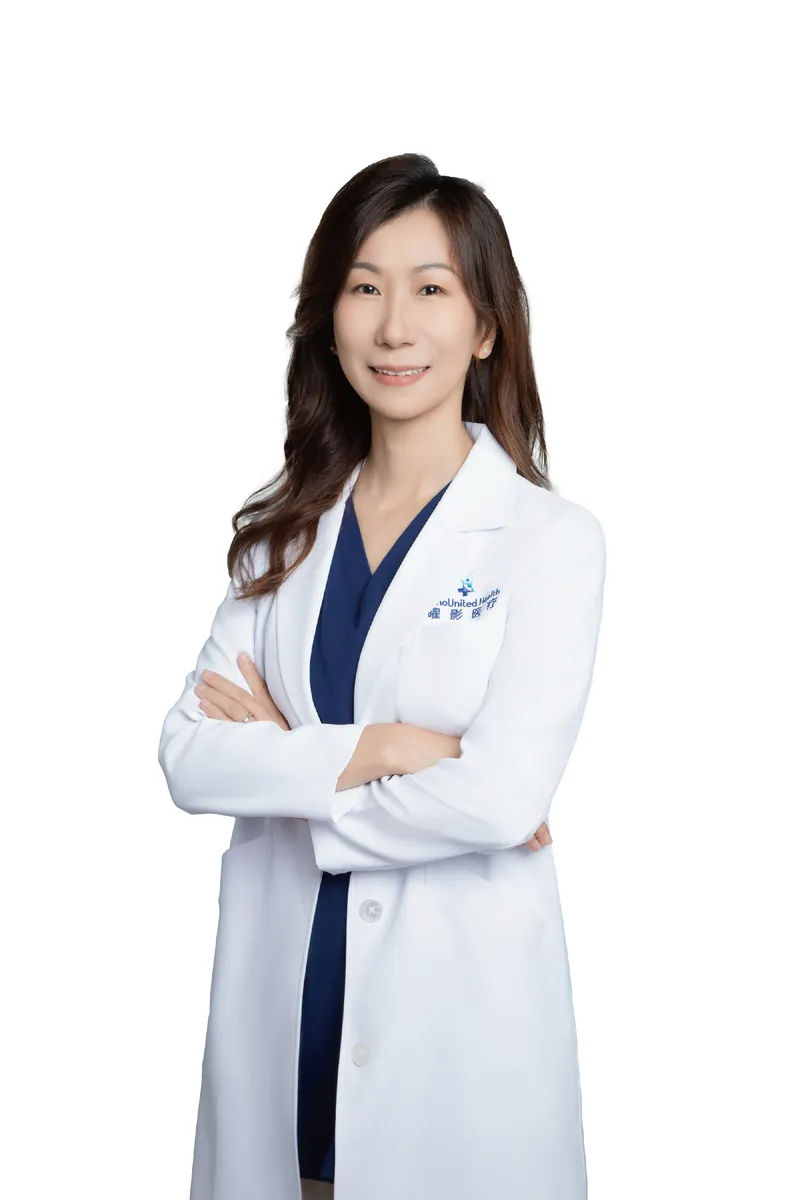
SinoUnited offers CAR-T as an all-inclusive “2+21” package — covering the collection stay and the three-week infusion stay. The full breakdown of what's included, and pricing, lives on the Costs page as a single source of truth.
Yes — CAR T-cell therapy is generally considered for B-cell acute lymphoblastic leukemia that is relapsed (it has returned) or refractory (it did not respond, or stopped responding). A qualified physician decides based on your individual condition.
SinoUnited treats patients aged 16 and over. One therapy, Puzo-cel, is approved for ages 16–21; CNCT19 has no upper age limit within the intake. A remote assessment will confirm what applies to you.
Yes — SinoUnited's international care team reviews your records remotely, at no cost, before any travel.
A remote assessment by SinoUnited's international care team is free, and starts before you travel. Find out whether CAR-T is an option before you plan any trip.