On September 6 the Journal published a report on people traveling from countries including New Zealand to Shanghai for CAR T-cell therapy, and on why Shanghai in particular has become a destination for them.
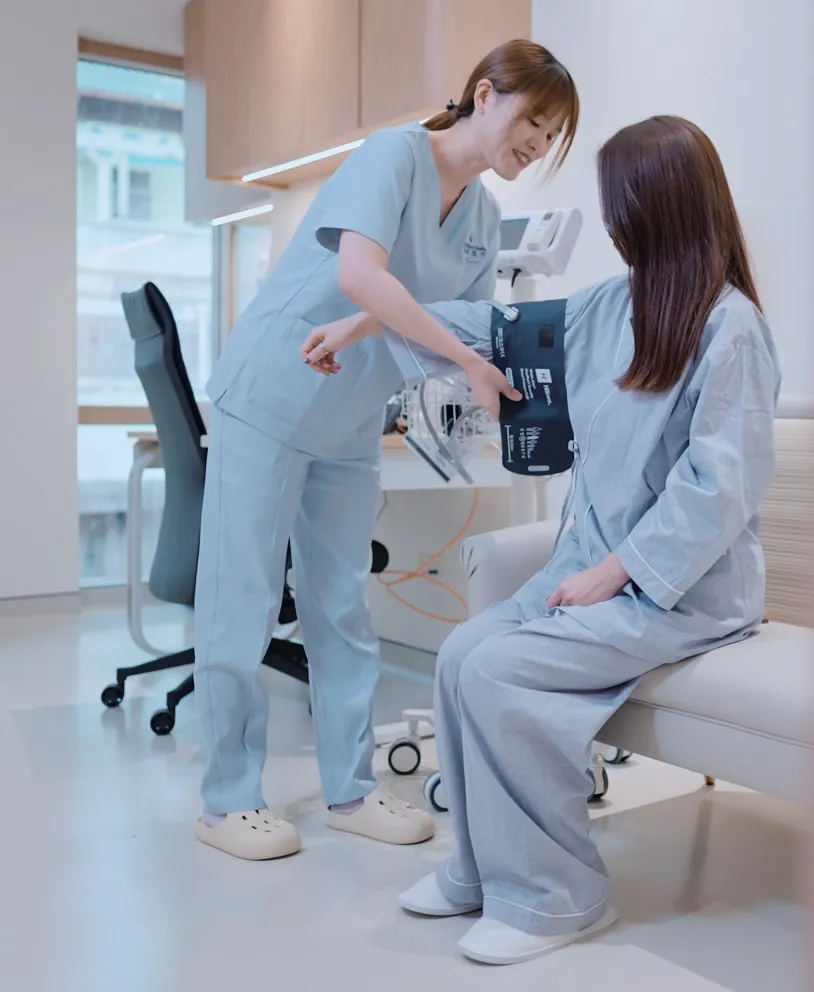
Shanghai SinoUnited Hospital is one of the hospitals the reporting visits. Dr. Lily Zhou, Chief of Hematology at SinoUnited Health, is named in the article, and the hospital’s chief executive is interviewed. The photographs accompanying the piece were taken inside the hospital.
“Patients Are Flying to China for the Latest Cancer Treatment”— The Wall Street Journal, September 6, 2026
What the article says about China
On the wider picture, the Journal reports that China’s regulators have now approved more CAR T-cell therapies than those of any other country, and that in June 2026 China approved the first CAR T-cell therapy anywhere for a solid tumor — a cancer of the stomach and upper small intestine.
It also draws a distinction that matters to anyone comparing options overseas. Clinical trials in China operate with less central oversight than in the United States, and the article reports deaths among people receiving experimental medicines. Against that, it reports that China’s private international hospitals have generally stayed away from trials and kept to therapies regulators have approved for commercial use.
Where SinoUnited Health stands on that distinction
CAR T-cell therapy at SinoUnited Health is not offered through a clinical trial. Every therapy described on this site is one the National Medical Products Administration has approved for commercial use in China, and each therapy page sets out the indication wording under which that approval was granted. An approval in China is not a statement about availability or funding anywhere else.
On cost
The article compares what CAR T-cell therapy costs in China with what it costs in the United States. This site keeps every figure in one place, on the costs page, alongside what the package covers and what it does not.
What is not repeated here
The article follows two patients by name and describes how their treatment went. Those are their accounts, told to a newspaper. This site does not publish response, remission or survival figures — not its own, not from published research, and not from press coverage. If you want to read what those patients said, read it in the Journal.
Six patients have chosen to tell their own stories on this site, in their own words. They are personal accounts, and not a prediction of results for anyone else. You can read them on the patient stories page.
Read the article at wsj.com A Wall Street Journal subscription may be required.